
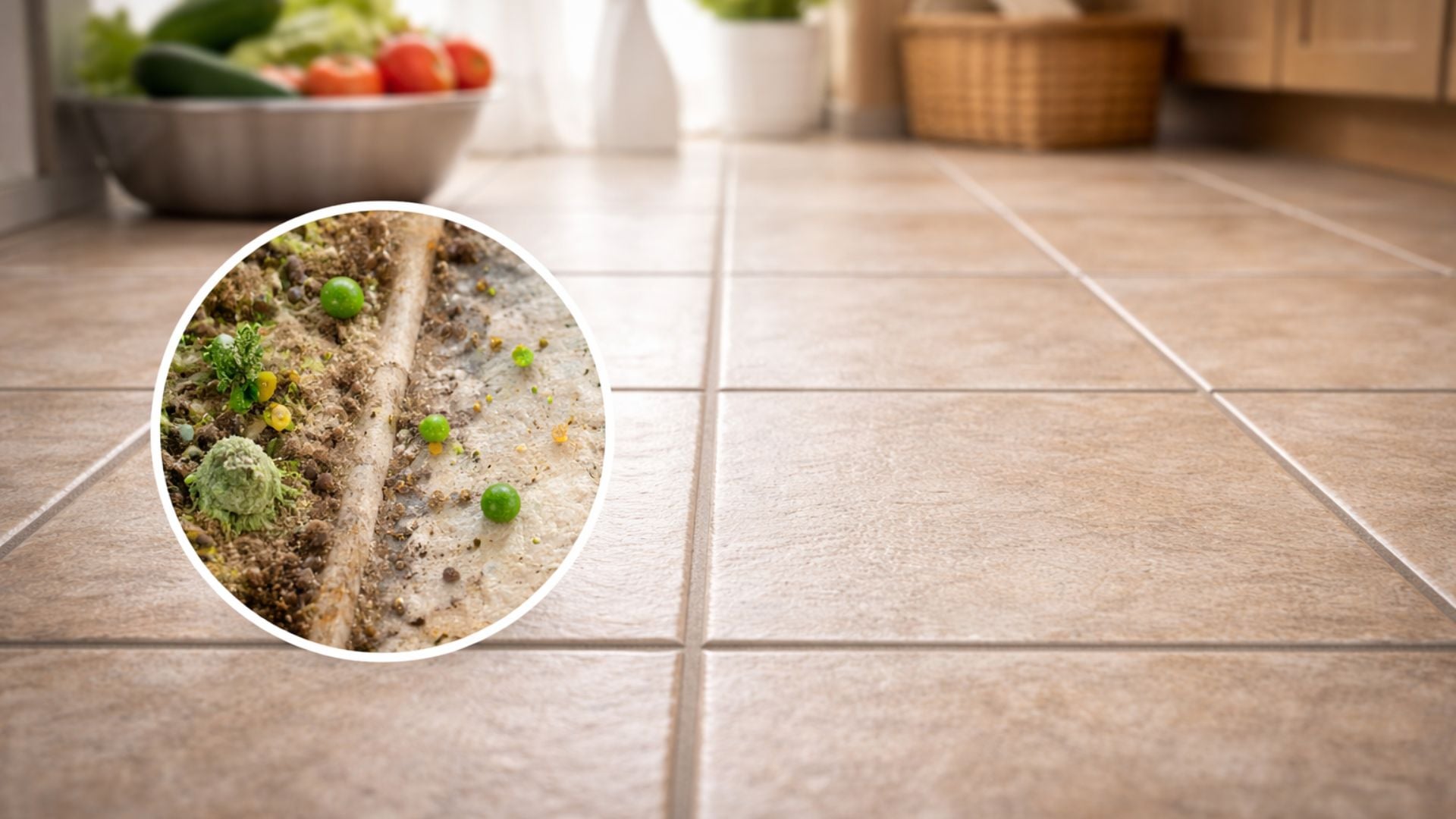
Vinegar and baking soda can brighten lightly soiled grout on sealed ceramic tile, but the famous fizz does very little. The two mostly cancel each other out, and vinegar's acid can slowly wear down cement grout and etch natural stone. For deep staining, professional cleaning gets results this mix can't.
Dozens of tutorials promise showroom results from cleaning grout with vinegar and baking soda. After 30+ years cleaning tile and grout across North Central Florida, Elite owner Richard Johnson has watched the hack help some floors and quietly make others worse. Which way it goes depends on the tile, the grout, and how deep the dirt sits.
Does Vinegar and Baking Soda Actually Clean Grout?
Somewhat, but not because of the fizz. The foam you see when vinegar hits baking soda is an acid neutralizing a base, a reaction that produces water, carbon dioxide gas, and a small amount of sodium acetate. In plain terms, the two ingredients largely cancel each other out. Whatever cleaning happens afterward comes from your scrub brush and the mild leftover solution, not the foam.
Used separately, each one earns its keep. Baking soda is a gentle abrasive that lifts surface film when worked into grout lines with a brush. Vinegar is a weak acid that cuts soap scum and hard water haze on ceramic tile. Richard's take after three decades of looking at grout up close: if you want a homemade grout cleaner, scrub with a baking soda paste, rinse well, and skip the volcano.
Will Vinegar Damage Your Grout?
It can. Most grout is cement based, and cement is alkaline, which makes it an easy target for acid. The Tile Council of North America cautions that acids like vinegar dissolve the cement and erode the grout surface, weakening it over time. Grout is porous to begin with, and a worn, eroded surface soaks up dirt even faster, so the floor that gets the regular vinegar treatment often ends up looking dingy sooner than the one that never did.
Unsealed grout takes that damage fastest. Natural stone raises the stakes further: the Natural Stone Institute warns that vinegar and other acids can dull or etch marble, travertine, and limestone, leaving flat spots that no amount of scrubbing will polish out. If a vinegar mix has already hazed a stone floor or shower, stone cleaning and polishing can usually restore the finish. Not sure what your tile or grout is made of? Talk with a Certified Cleaning Specialist before you scrub anything into it.
How Do You Use Baking Soda on Grout Safely?
For light surface grime on sealed ceramic or porcelain tile, a careful DIY pass is perfectly reasonable. Keep it simple:
- Vacuum or sweep first so you aren't grinding grit into the grout lines.
- Mix baking soda with a little water into a thick paste.
- Work the paste into the grout with a stiff nylon brush and let it sit for ten minutes.
- If you use vinegar at all, dilute it half and half with water, spot-test a hidden corner, and keep it far away from stone.
- Rinse thoroughly with clean water and dry the floor. Leftover residue attracts new dirt.
That routine will maintain grout that's already in good shape. It won't rescue grout that has been collecting soil for years.
Why Does Grout Still Look Dirty After Scrubbing?
Because scrubbing only cleans the surface. Grout is porous, and every mopping pushes a little soil and detergent residue down into those pores. Soil that has soaked in below the surface is hard to reach with a brush, which is why grout lines often look better for a week and then fade right back to gray.
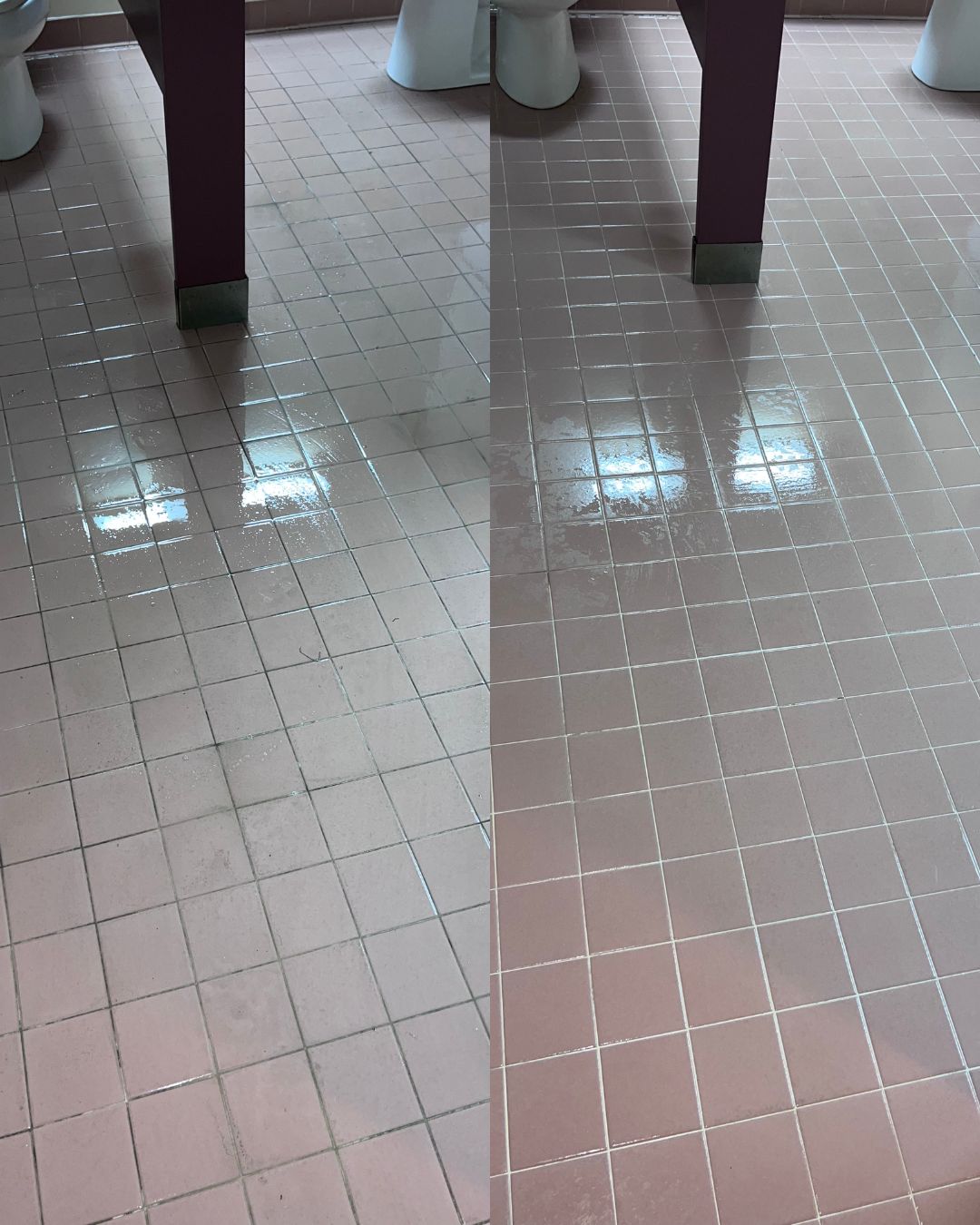
Professional equipment attacks the problem from a different direction. Elite cleans tile and grout with heated water, controlled pressure, and vacuum extraction that pulls embedded soil out of the pores instead of pushing it around, then seals the lines so they stay cleaner longer. There's a full walkthrough of that process in how professional steam cleaning works on tile and grout. Deep-set staining that a pantry mix can't touch is exactly what that equipment exists for.
When Should You Call a Professional?
Some grout problems announce themselves. Watch for these:
- Grout that looks clean while wet but dries dark again
- Stains that come back within a couple of weeks of scrubbing
- Hazy or dull patches on stone tile
- Grout that's crumbling, pitted, or was never sealed
- A home you're getting ready to sell or rent
Any of these means the problem lives below the surface, where household products can't reach. Elite's professional tile and grout cleaning is certified, owner-operated work, and restoration is always the first option. In most homes, a deep clean and reseal brings grout back to like-new for far less than tearing it out and regrouting. That's the philosophy behind the Elite motto: "Clean for Health. Not Just for Looks."
Frequently Asked Questions
What is the best homemade grout cleaner?
A thick baking soda and water paste, worked in with a stiff nylon brush, is the safest homemade option for sealed ceramic tile. It's mildly abrasive, cheap, and won't attack the grout the way acids can. Expect it to handle light surface film, not deep-set staining.
Will vinegar mess up grout?
Over time, yes, it can. Household vinegar is acidic, and cement-based grout is alkaline, so repeated exposure can dissolve the cement and erode the surface. On natural stone like marble or travertine, vinegar can dull or etch the finish. Occasional diluted use on sealed ceramic grout carries far less risk.
Will Dawn and vinegar clean grout?
Dish soap and vinegar will cut greasy film and soap scum on the tile surface, which makes the whole floor look brighter. The grout itself benefits less, and the vinegar half of the mix still carries the acid risk. It's a decent shower-wall cleaner and a mediocre grout treatment.
Does hydrogen peroxide really clean grout?
Hydrogen peroxide is a legitimate option for light grout stains. It brightens them through oxidation, releasing oxygen that breaks stains down into colorless compounds, and since it doesn't rely on acidity it sidesteps the acid-on-cement problem that makes vinegar risky. It works slowly, needs dwell time, and still can't pull soil out of the pores the way professional extraction equipment does.
What should you not clean grout with?
Skip strong acids on cement grout, vinegar included, along with harsh scouring powders on stone or colored grout, bleach mixed with any other cleaner, and metal brushes that gouge the lines. When in doubt, test a hidden corner first, or send Elite a photo and ask.
Ready for Grout That Actually Comes Clean?
If the vinegar and baking soda routine has hit its ceiling, let a professional take it from here. Elite Carpet, Tile & Grout Cleaning restores tile and grout for homeowners, realtors, and property managers across Live Oak, Lake City, Madison, Gainesville, Tallahassee, and the surrounding North Central Florida service areas. The work is certified and owner-operated, with the same goal on every job: restore before replacing.
Get a Fast Quote or call 386-678-5178 today. Snap a photo of your worst grout line and send it over, and Richard will tell you straight whether it needs professional cleaning or just better DIY habits.
0 Comments